A 3-2-1 backup plan keeps three copies of your business data on two kinds of storage, with one copy offsite — and a small business can set the whole thing up in one afternoon, mostly for free.

We tested the leading time trackers with a real billable-hour workflow — here are the tools that export accurate invoices, and the ones that just run a pretty timer.
Zoho Desk and HubSpot lead the genuinely free helpdesk options for small teams in 2026 — we tested every free tier’s real seat and volume limits so you can pick one that won’t expire under you.
Per-seat pricing looks cheaper until your team grows — a $12-per-user tool costs a 5-person team $720 a year and a 15-person team $2,160, while a flat-rate plan may not move at all. Here’s how to read any SaaS pricing page and work out what you’ll actually pay in 12 months.
The best free logo and branding tools for a new business are Canva, Looka’s free preview, Hatchful by Shopify, and LogoMakr — but only two let you download a usable file without paying, and the real cost is the vector file most tools hold back.
A password manager only works if the whole team actually uses it. We tested the leading options with non-technical staff to find the one a small team will adopt — and stick with.
Start with email and cloud storage, then roll out to accounting, banking, and social accounts — with an authenticator app and printed backup codes for every account before you enforce it.
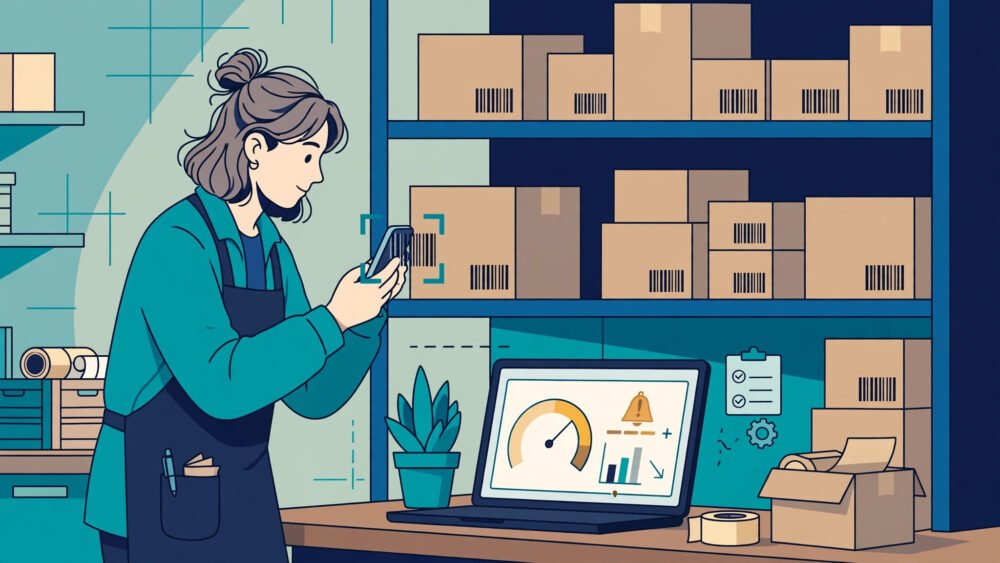
Zoho Inventory wins for most small businesses on barcode scanning, low-stock alerts and multi-channel sync — with Square for Retail for counter-first shops and Cin7 Core for growing wholesalers.
Calendly for simple meeting booking, Acuity for paid appointments, SimplyBook.me for multi-service businesses — judged on no-show reduction, tested with a real booking page, with 2026 pricing for all three.
Brevo wins on price for growing lists at about $9 a month, while MailerLite has the best free plan — here is the cost-per-1,000-subscribers math across six tools.